From Aid Cut to Collective Action : What’s Next for Civic Space in Iraq?
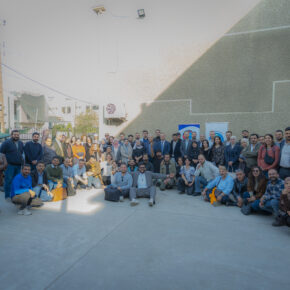
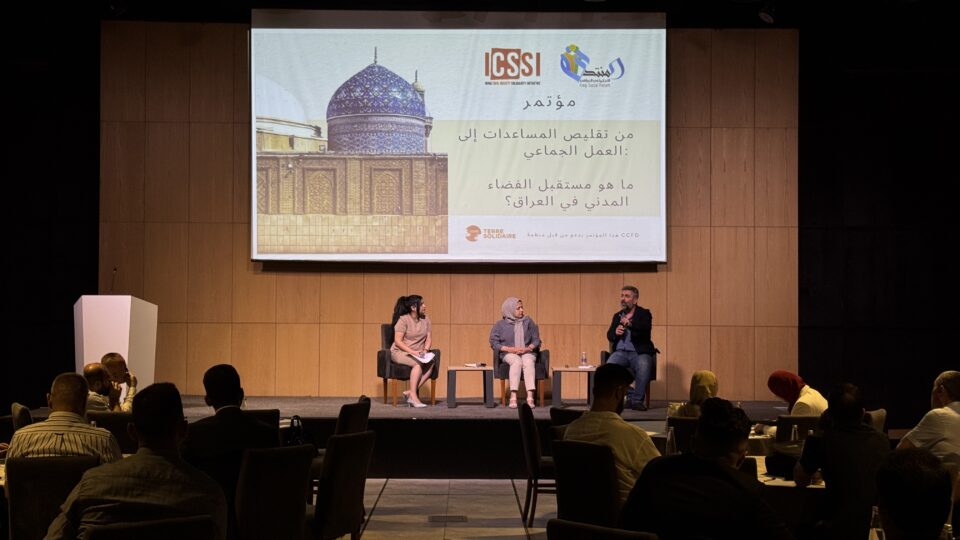
Baghdad, July 18, 2025 – At a pivotal moment for Iraq’s civil society, over sixty participants – activists, researchers, and representatives of local and international NGOs – gathered at The Station for a national conference titled “From Aid Cuts to Collective Action: What’s Next for Civic Space in Iraq?”, organized by ICSSI and ISF, with support from CCFD-Terre Solidaire.
The conference came in the wake of a seismic shift. Earlier this year, the sudden suspension of USAID funding left many civil society organizations scrambling. According to data presented during the event, 39% of CSOs had to cut activities by half or more, and some were forced to shut down completely. But this moment of disruption also sparked something else: a collective desire to reassess, regroup, and reimagine what civil society in Iraq can become.
From Crisis to Consciousness: A New Language for Civil Action
The day began with a moment of silence in honor of the victims of the KUT incident, followed by a public declaration of solidarity with the Save the Tigris campaign, which had been excluded from a UNESCO meeting after pressure from the Turkish government. These gestures set a tone of resilience, reaffirming that civic voices – especially those defending Iraq’s natural heritage – must not be silenced.
The opening panel, moderated by Yasmeen Falah (INFO-Center), featured Hanaa Hmood (Director of the Public Aid Organization – PAO) and Abdullah Khaled (Director of the Public Aid Organization – PAO), who offered a critical diagnosis: the funding crisis is just the tip of the iceberg. Beneath it lie deep-rooted structural dependencies, a lack of long-term strategies, and fragmentation within the sector.
“This isn’t just about money,” Abdullah noted. “It’s about accountability. Who is abandoning whom?”
Hanaa shared PAO’s experience: while only 10% of their budget came from USAID, the impact was still tangible. They turned to volunteers, streamlined operations, and sought new partnerships. Yet both speakers agreed: volunteerism can’t replace structure. It’s a stopgap, not a long-term solution.
Abdullah pushed the conversation further: it’s not just donors that need to shift. CSOs themselves must reimagine how they define impact and legitimacy. “We need to stop thinking like temporary projects,” he said. “We are not just implementers – we are social and political actors.”
The panel emphasized that rethinking aid dependency also means reclaiming civic identity. Civil society must position itself not as a substitute for absent institutions, but as a force that shapes public imagination, builds accountability, and protects fundamental rights. This involves reasserting values, embracing complexity, and refusing to compromise principles in the name of survival.
Six Challenges, One Collective Goal
At the heart of the day were six thematic working groups, each tasked with addressing a critical aspect of civil society’s sustainability. What emerged was not only a list of recommendations but the outline of a strategic roadmap for resilience and transformation.
1. Legal frameworks for NGO sustainability
Call for reforms to guarantee the independence of the NGO Directorate, harmonize procedures across governorates, and ensure public budget allocations for CSOs.
2. Private sector engagement
Introduce tax incentives for companies supporting civil society; train CSOs in ethical, mutually beneficial partnerships; identify private actors whose goals align with civic values.
3. Localization and competitive dynamics
Push back against donor-driven competition by promoting transparency, collective bargaining, and local coalitions. Iraqi CSOs should be engaged early in project design, not just in implementation.
4. Alternative funding sources
From launching income-generating projects to advocating for the allocation of 1% of the presidential budget to civil society.
5. Inclusion of Women-, Youth-, and Minority-led CSOs
Ensure access to fair funding, legal protections, capacity-building, and psychosocial support. Promote grassroots empowerment through education, arts, and sports, while simplifying burdensome registration processes.
6. Coordination and solidarity
Tackle fragmentation head-on by developing shared digital infrastructure, common advocacy platforms, and resource-sharing mechanisms among smaller organizations.
Beyond Emergency: A Roadmap for the Future
The sense of urgency that permeated the conference was never framed as resignation. On the contrary, it served as a catalyst to confront a hard truth: Iraq’s civil society must now learn to live – and thrive – beyond the traditional architecture of foreign aid. The aim is not merely to compensate for what was lost, but to transform this crisis into a foundation for a new civic paradigm, where sustainability is rooted in autonomy, collaboration, and trust.
First and foremost, internal transformation is essential. Many organizations operate with fragile internal structures, often overly reliant on the charisma or stamina of a handful of individuals. The path forward must include reforms in governance, clarification of roles and responsibilities, and a rebalancing of internal power dynamics. Democratic decision-making, long-term planning, and collective ownership are no longer optional – they are the only viable infrastructure for resilience.
In parallel, a strategic shift in human resource management is needed. The valorization of volunteerism – while admirable – is not a replacement for fair, stable, and skilled employment. Investing in people means more than just keeping operations afloat; it means building a movement that can endure. This calls for sustainable staffing plans, ongoing training, and meaningful retention strategies that do not exploit goodwill but build professionalism.
Financial sustainability must also be reimagined. Rather than waiting for foreign donors to return—or hoping for sporadic grants-organizations are beginning to explore local fundraising models, income-generating initiatives, and mutually respectful partnerships with the private sector. There is growing recognition that building a “culture of giving” inside Iraq itself is not only possible, but necessary. From engaging the diaspora to creating community-based donation schemes, from cafés and craft shops to social cooperatives, the idea is to diversify funding sources without diluting values.
On the legal front, advocacy for institutional reform is essential. The current NGO law must be revisited to eliminate excessive bureaucracy and ensure access to national budget allocations. Tax incentives for private donors, clearer accountability mechanisms, and simplified registration processes would significantly ease the operational burden on CSOs. This is not about demanding charity: it is about recognizing the constitutional role of civil society in democratic life.
Public trust must be rebuilt. CSOs in Iraq continue to face suspicion, misinformation, and at times open hostility. Many are wrongfully portrayed as vehicles for foreign agendas or profit-driven enterprises. Breaking this narrative will require a bold communication strategy, one that is transparent, accessible, and rooted in the lived experiences of communities. Civil society must become visible and credible in the public eye, not just through reports, but through everyday engagement with unions, tribal leaders, religious figures, educators, and local institutions.
Finally, collaboration – not competition – must become the norm. From sharing legal advisors to co-hosting events, from thematic networks on youth, climate, and women’s rights to strategic South-South alliances, the potential for collective action is vast. The fragmentation of the sector has long been its weakness; now, a shared political and operational agenda can become its strength.
This is just the beginning
The conference was not an end, but a beginning: a space to express what many had long felt. A call to move beyond survival and envision something more just and rooted in local reality.
Baghdad offered no blueprint, but a shared belief: change won’t come from above. It must grow from dialogue, trust, and collective refusal to disappear. This moment demands more than resilience: it demands the courage to rethink civil society and to believe another way is possible.
A wealth of reflections and proposals emerged – testimonies of commitment, concern, and creative resistance. As ICSSI and ISF, we recognize the responsibility of holding this collective energy with care. In the coming months, we will take time to reflect on what was shared and, together with our members and communities, understand how to move forward. We will build on those proposals that resonate with our values, vision, and identity as a solidarity initiative, and define strategic directions accordingly.