Weaponizing Water: Forced Evictions and Ecocide in the Iraqi Marshlands
An article by Issamaldeen A. Majed
Originally published on 20 May 2026 by Peace Human Rights Governance, University of Padua, Italy. The original article is available here.
ABSTRACT
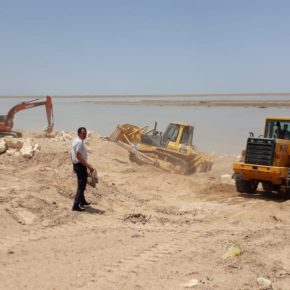
The Mesopotamian Marshes represent one of the world’s most distinctive indigenous homelands, where environmental systems and cultural identity co-evolved for millennia. This paper examines the near-total destruction of this ecosystem in the late twentieth century and argues that large-scale hydrological engineering, coupled with state-directed repression, constituted a deliberate strategy of forced eviction and environmental destruction. Drawing on United Nations assessments, demographic data, historical reports, and interviews with a small sample of local inhabitants, the paper demonstrates that the drainage of the marshes was not merely ecological degradation, but a form of weaponized environmental violence that undermined indigenous self-determination, dismantled communal housing rights, and threatened the survival of an ethnic group. The analysis examines how these actions produced a partly irreversible ecocide and highlights broader failures of multilateral governance to protect vulnerable populations in ecologically sensitive regions. Nevertheless, the paper provides evidence of positive repopulation trends over the last decade and argues that the Marsh Arab voices need to be heard. By integrating ecological evidence with a human rights framework, this study advances a reparative agenda centered on land restoration, economic compensation to affected families, legal recognition of communal tenure, and cultural revitalization. The findings call for national and regional policy approaches that recognize the weaponization of water as a human rights violation and position indigenous agency at the forefront of environmental governance, local development, and post-conflict reconstruction. In doing so, the paper contributes to the growing discourse on ecological justice and the need to link environmental protection with housing rights, cultural autonomy, and self-determination of local communities.
Read and download the full article below.