Water and Women: When a Drop of Water Becomes a Matter of Justice
By Lodya Remon, an Iraqi feminist and environmental activist.
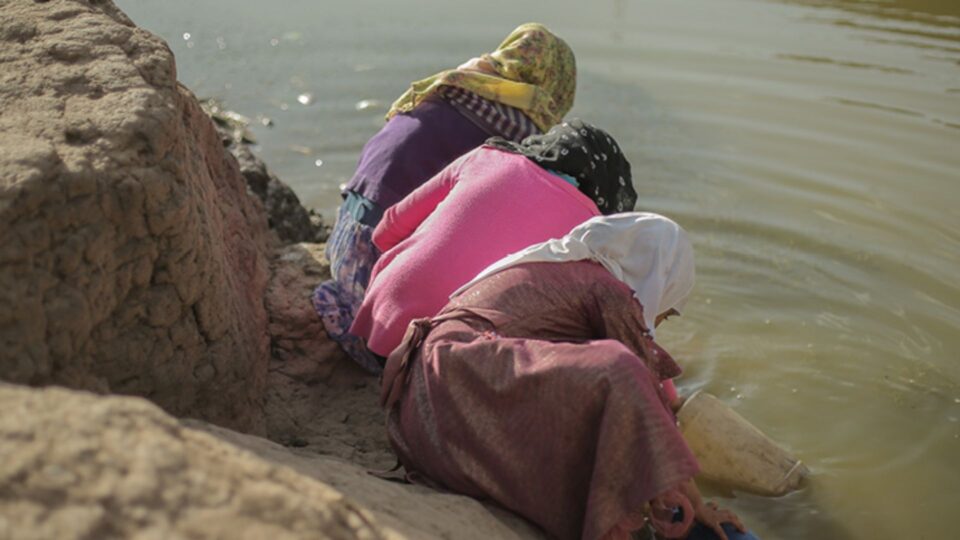
With the start of Water Week, the discussion about water transcends its mere status as a natural resource to become a pivotal issue concerning life, dignity, and social justice. Water is not just a river, a well, or a network of pipes; it is a fundamental right that shapes the lives of individuals, especially women, who often stand on the front lines of confronting water scarcity challenges. In many societies, women are responsible for managing water within the home, contemplating how to sustain the family for another day amidst resource scarcity, and silently bearing the burden of water shortages. Therefore, any discussion about the water crisis is, at its core, a discussion about women and their pivotal role.
Women are more than just those affected by the water crisis; they are genuine solution-makers. A woman who lives the daily details of life and understands the value of every drop of water possesses the necessary knowledge to conserve it and distribute it wisely. Hence, involving women in decision-making processes related to water and the environment is not a secondary option but an urgent necessity for building a more just and sustainable future. Water Week should serve as a reminder that protecting water means protecting life itself, and empowering women in environmental and water issues represents a fundamental pillar of social justice. When women’s voices are heard and their contributions acknowledged, resource management becomes more humane and effective in protecting our planet, for which we all share responsibility.
The Global Water Crisis: Figures Revealing the Scale of the Problem
United Nations reports indicate that the water crisis has become one of the most serious global challenges in the 21st century. Today, more than 2.2 billion people worldwide lack access to safe drinking water in their homes, while billions more suffer from the absence of basic sanitation services. Data shows that women and girls are the most affected by this crisis; in seven out of ten households without water access, the responsibility of fetching water falls on them. Women and girls spend approximately 250 million hours daily collecting water around the world, a colossal amount of time that could be invested in education, work, or community participation.
The impact of water scarcity is not limited to the depletion of time and effort; it extends to health and safety. Women and girls are often forced to travel long distances to fetch water, exposing them to severe health risks, and sometimes to risks of violence or harassment in remote areas. Furthermore, the absence of clean water contributes to the spread of water-related diseases, which cause the death of nearly a thousand children under the age of five daily due to unsafe water and sanitation-related illnesses.
Iraq and the Water Crisis: Escalating Challenges
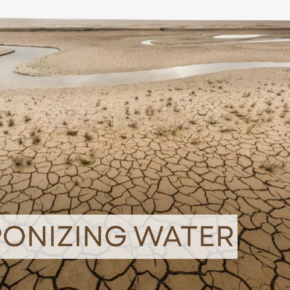
The situation in Iraq is not much different from other regions of the world suffering from the water crisis; in fact, the challenges there have become more complex in recent years. Multiple factors such as climate change, a sharp decline in river levels, and poor water resource management have exacerbated the crisis. Reports indicate that Iraq faces its lowest water reserves in over 80 years, threatening food security, agriculture, and the daily lives of millions. The flow of the Tigris River has decreased by about 33% in recent decades due to dams built in upstream countries, while climate change has led to an increase in drought waves and rising temperatures, making water crises that were rare in the past more frequent today.
Southern Iraq: When the Crisis Becomes Daily Suffering
The southern provinces of Iraq, such as Basra, Dhi Qar, and Maysan, are among the areas most affected by the water crisis. These regions primarily depend on the waters of the Tigris and Euphrates rivers and Shatt al-Arab, and with declining water flows and increasing salinity, the water has become less suitable for human consumption and agricultural use. The crisis peaked in the summer of 2018 when more than 118,000 people in Basra were admitted to hospitals due to water pollution and the resulting cases of poisoning and skin and intestinal diseases. The decline in water and increased salinity also led to the deterioration of agriculture, the death of fish, and a decrease in the number of palm trees, which forced thousands of families to leave their lands and move to cities in search of alternative sources of income. In many areas, residents have become dependent on buying water from mobile tankers or desalination plants, imposing an additional economic burden on low-income families.
Women at the Heart of the Crisis: From Burden to Solutions
Under these harsh conditions, women are often the first to bear the brunt of the water crisis within the family. They are responsible for providing water for cooking, cleaning, and childcare, and for dealing daily with water shortages or contamination. In villages and rural areas, where access to clean water is more difficult, women bear a greater burden in searching for alternative sources or managing available water with extreme caution. However, their roles are not limited to adapting to the crisis; they actively participate in local initiatives to conserve water and raise awareness about the importance of rationalizing its use. Numerous studies indicate that communities that involve women in water resource management are more capable of achieving sustainable water management.
Towards a More Just and Sustainable Future
The water crisis is not merely an environmental or economic challenge; it is a profound humanitarian issue linked to social justice and fundamental human rights. Sustainable water management cannot be achieved without the genuine and effective involvement of women in decision-making processes. Water is not only a natural resource but also the foundation of life, stability, and development. When women’s roles and practical expertise in daily resource management are recognized, dealing with the water crisis becomes more realistic and capable of finding long-term solutions. In this Water Week, the most important message remains clear: protecting water means protecting life, and empowering women in water and environmental issues is not just a slogan, but a crucial step towards a more just and sustainable future for all.