
New Report by 7oqoq Observatory on the Human Rights Situation in Dhi Qar Governorate
Dhi Qar governorate has become one of Iraq’s most emblematic spaces of struggle for justice and accountability. Once known mainly for its rich cultural heritage, in recent years it has also been the site of some of the country’s most intense protests – and some of its gravest human rights violations. The new report “Human Rights Situation in Dhi Qar Governorate”, prepared by the 7oqoq Observatory under the umbrella of the campaign Protect Iraqi Human Rights Defenders Now!, documents these violations in detail and provides evidence-based recommendations to national and international stakeholders.
A Shrinking Civic Space
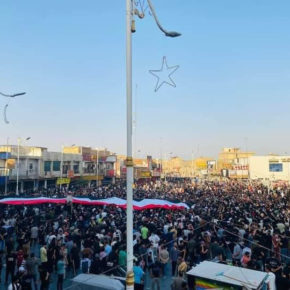
Since the October 2019 protest movement, Dhi Qar has been a hotspot for popular mobilization demanding reform, transparency, and better governance. This has made the governorate a focal point of state repression. The report describes excessive use of force against peaceful demonstrators, arbitrary arrests, enforced disappearances, and intimidation campaigns targeting activists and journalists. Many defenders have been forced into hiding or exile, while survivors and families of victims face enormous obstacles in seeking justice.
Main Findings
The report highlights alarming trends:
- Systematic targeting of HRDs and protest leaders, through surveillance, threats, and judicial harassment.
- Excessive use of force, including live ammunition against peaceful protesters, causing deaths and injuries.
- Lack of due process in trials and politically motivated charges that undermine trust in the judiciary.
- Suppression of free expression, with journalists and media outlets facing censorship or closure.
- Gender-based threats against women activists, aiming to silence their participation.
Why This Report Matters
These findings show that the crisis in Dhi Qar is not a series of isolated incidents, but part of a broader pattern of shrinking civic space in Iraq. The report calls for urgent action from both the Iraqi government and the international community: protection for HRDs, impartial investigations, an end to impunity, and support for local civil society organizations.